
As a lover of gardens, I’ve been to many in both the United States and Europe. At the top of my list of favorites are Mendocino Coast Botanical Gardens in California and Cawdor Castle Gardens in Scotland. Since visiting last May, the Park of Monserrate Palace now tops my list. It is stunning in both diversity and size. Renovations to the park began when British novelist and art collector William Beckford moved into Monserrate in 1794. His additions include an artificial waterfall and a stone arch. In 1856, wealthy textile merchant Sir Francis Cook acquired the property and commissioned major renovations to the grounds. He hired landscape designer William Stockdale, botanist William Neville, and master gardener James Burt to create a park steeped in Romanticism. The resulting park of 82 acres (33 ha) includes over 3,000 exotic species collected from around the world, twisting paths, lakes, and waterfalls.
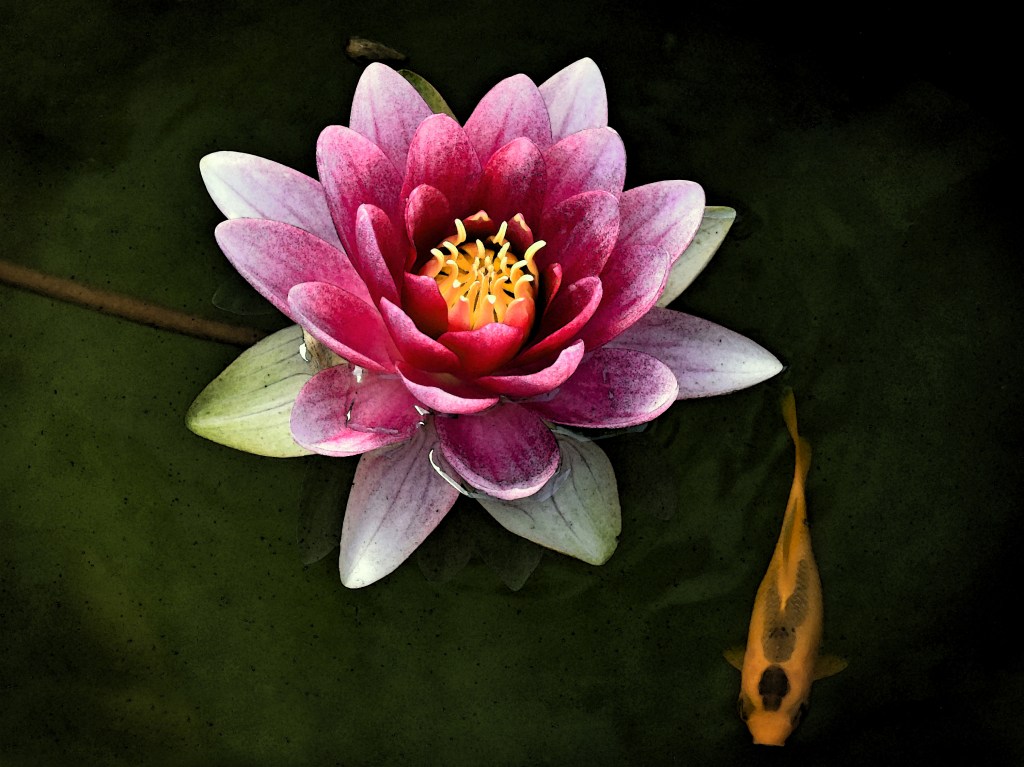
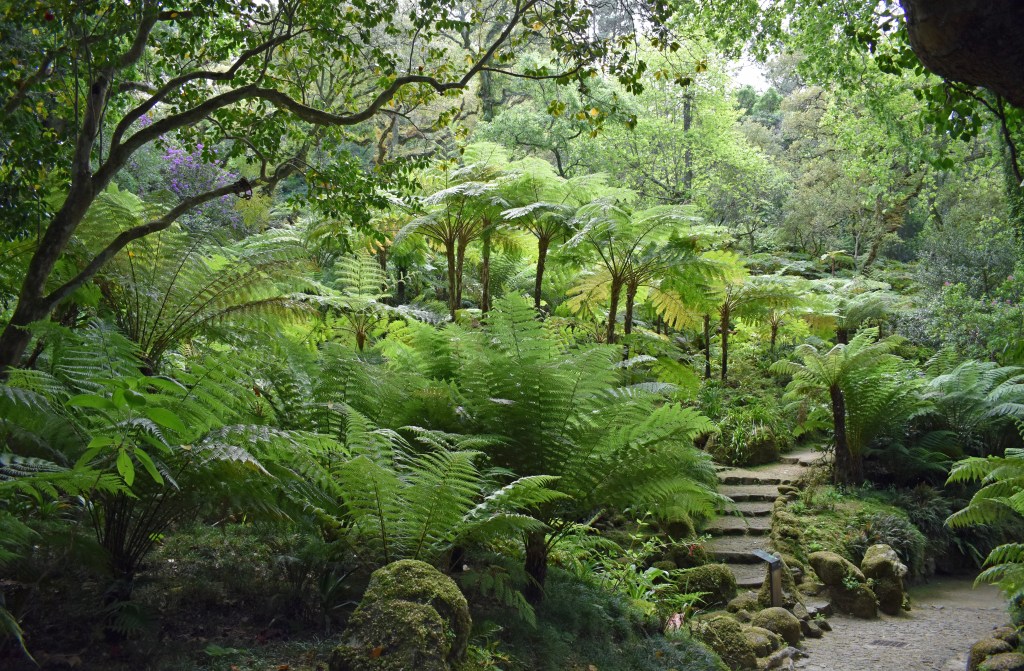
After touring the palace interior, we began our walk through the park in Fern Valley. Noted for its collection of arboreal ferns from Australia and New Zealand, the fern trees were intentionally planted in a northwest facing valley to take advantage of the moist winds from the coast. Even though it was a sunny day, the valley was shady and cool. After Fern Valley, the path winds past Beckford’s Waterfall and a small lake before reaching a stone chapel.
The chapel is a false ruin designed by Cook and placed on the spot of the former Chapel of Our Lady of Monserrate. Engulfed by vegetation, the ruin is now inherently bound up with the adjoining Australian Banyan tree. Near the chapel is an Atlas Cedar tree from Morocco and a Yew tree from Southeast Asia.

After the chapel, we walked by several ornamental lakes and stopped to admire the lush landscaping including ferns, palms, and rhododendrons. The largest lake was constructed to have various depths which provide the ideal temperatures for aquatic plants such as papyrus and waterlilies. Across from the lake is the tallest tree in the park, a Norfolk Island Pine. At 164 feet (50 meters) it towers over the surrounding greenery.

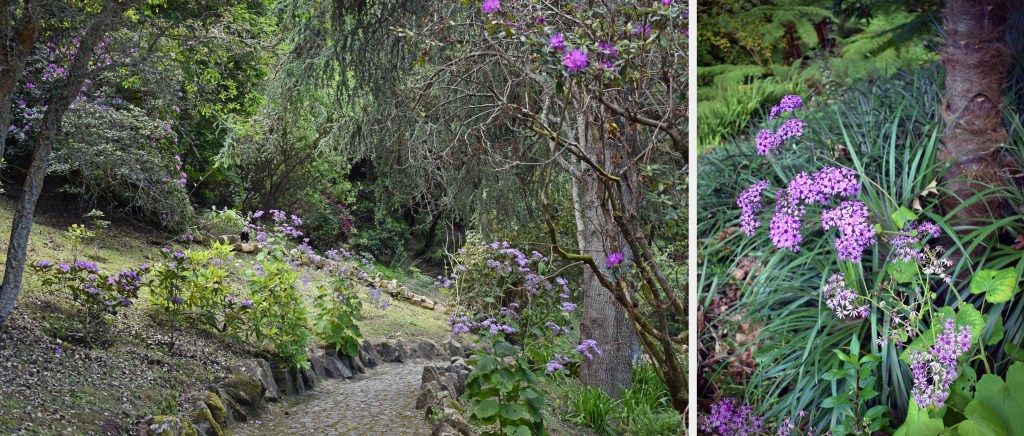
Spring is the perfect time to visit the park as there are so many plants in full bloom. My favorite path was awash in varying shades of purple and magenta from numerous rhododendrons, verbena, and wildflowers.
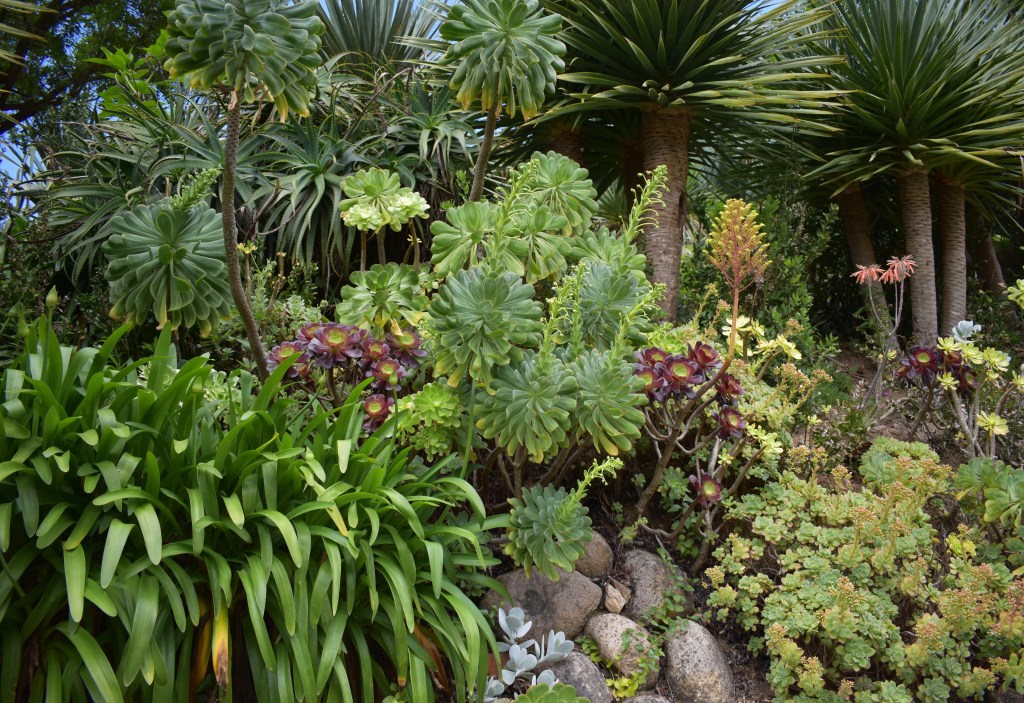
Ever since moving to Portugal, I have been amazed by the variety of vegetation that grows here. Desert plants such as palm trees, cacti, and bougainvillea thrive near pine trees, wisteria, and hydrangeas. While walking through the Mexican Garden, I saw plants that I haven’t seen since I lived in Arizona years ago. The garden was planted on a south facing bank in the warmest and driest part of the park. To insure ideal growing conditions, a watercourse was diverted into a canal and a complex system of support walls and terraces was built. The Mexican Garden was restored in 2010 and features agave, yucca, palm trees, and a variety of succulents.
The Rose Garden was created by Cook who believed roses to be the Queen of flowers. Over 200 historic rose varieties are planted in the valley. With his love of the Far East, Cook’s collection of roses includes strongly aromatic varieties from Asia. The garden is flanked by a variety of trees and has a stunning view to the Atlantic Ocean.
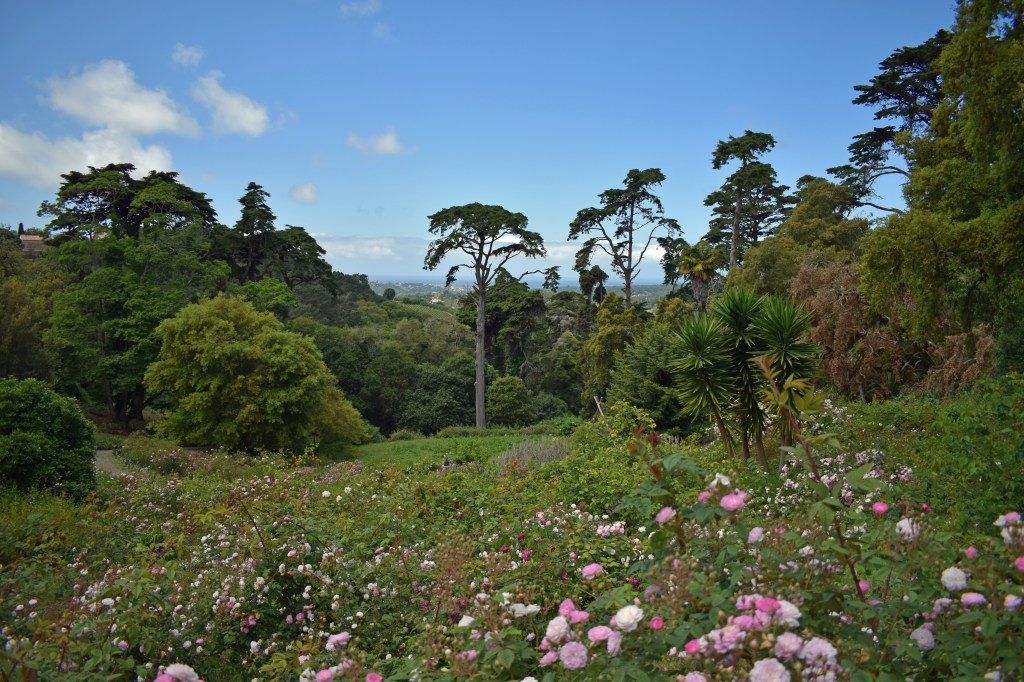
Following its full restoration, the Rose Garden was inaugurated in March 2011 by His Royal Highness The Prince of Wales and The Duchess of Cornwall.

For my next series of blogs, I’ll be visiting Tenerife in the Canary Islands of Spain. Stay tuned!


 Travels with Terri
Leave a comment