
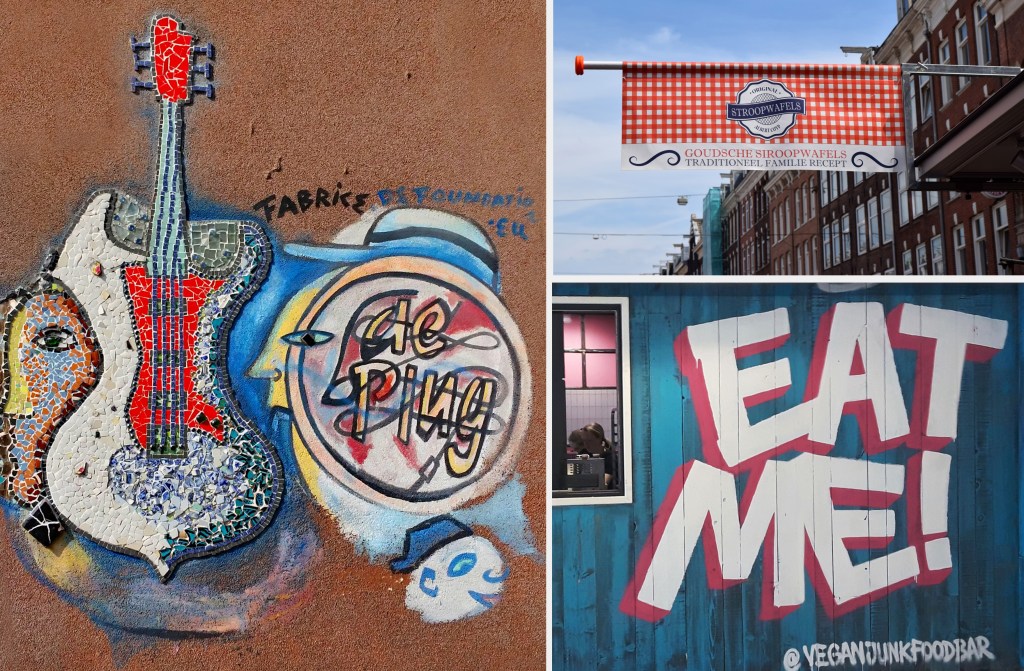
I fell in love with the De Pijp neighborhood on our first visit to Amsterdam in 2015. Located to the south of the City Center (Centrum), De Pijp was once a working-class neighborhood built to ease the overcrowding in Jordaan. Today it is a melting pot of cultures and the bohemian heart of Amsterdam. Known as the Latin Quarter, it has attracted artists, musicians, students, and free spirits since the 1960’s. For art lovers, both the Van Gogh Museum and the Rijksmuseum are a short walk away. Another local attraction is the Heineken Experience, which offers beer lovers a variety of tours and tastings. A scenic and relaxing way to see the city is by boat and canal tours are offered from stands near the Rijksmuseum.
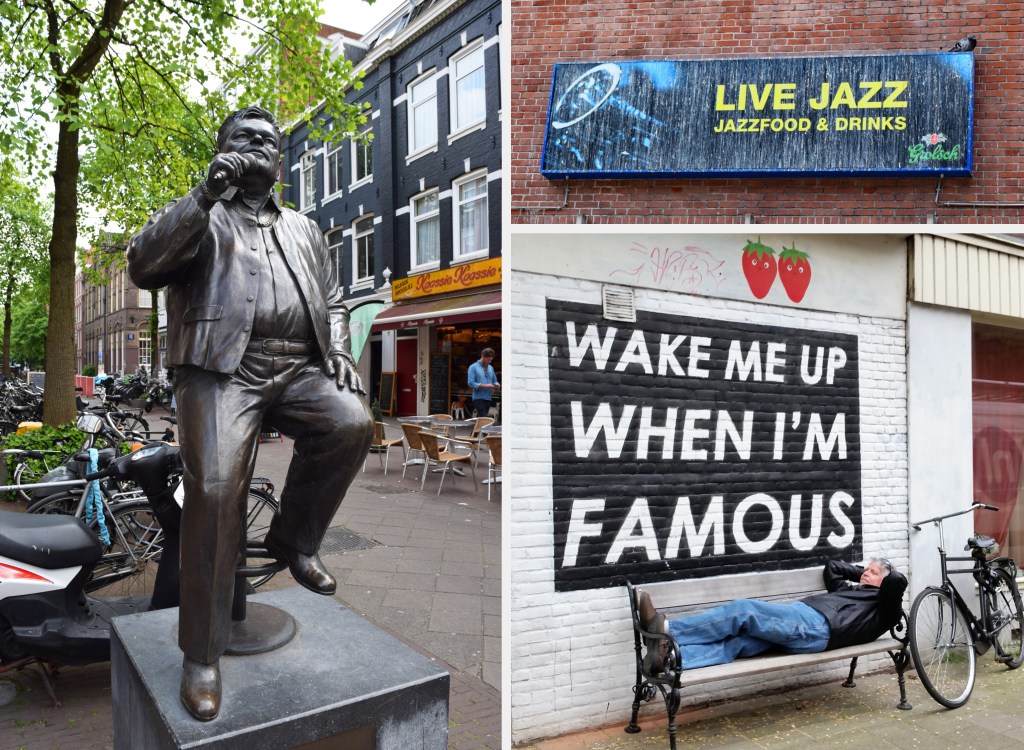
A “must visit” in De Pijp is the famous Albert Cuyp Market, the busiest market in the Netherlands and one of the biggest day markets in Europe. Named after Dutch landscape painter Albert Cuyp, the market has over 260 stalls that sell produce, seafood, cheeses, meats, nuts, souvenirs, and more. At the turn of the century, street vendors saw potential in the new district of De Pijp and flocked to Albert Cuypstraat (Cuyp Street) with their wooden carts. Managing the unregulated vendors proved difficult for the municipality and in 1905 it was decided to allow a market to be held there on Saturday evenings. In 1912, the City Council decided to make Albert Cuyp a daily market. Open every day except Sunday, the market attracts 20,000 visitors on weekdays and around 40,000 on Saturdays.
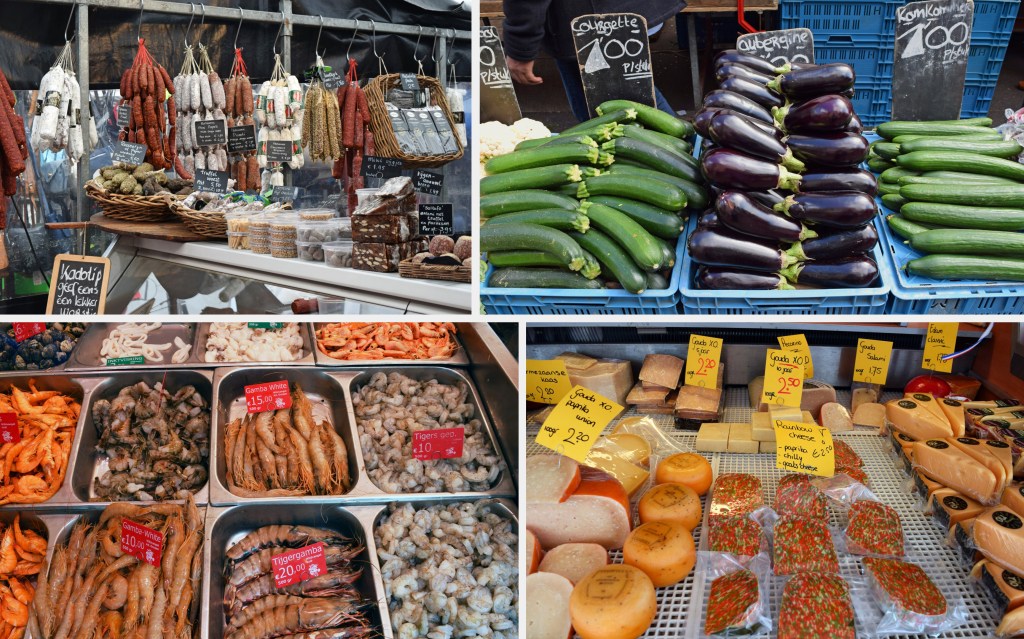
Foodies will love the Albert Cuyp Market where they can grab a variety of both savory and sweet snacks. For seafood lovers, there’s pickled herring and fresh oysters. For cheese lovers like me, there are grilled cheese sandwiches called toasties that come with a variety of fillings including ham, tuna salad, chorizo, tomatoes, bananas, and peanut butter. One of my favorite stands sells nuts and a bag of their warm cashews is at the top of our shopping list every visit. For those with a sweet tooth, you can indulge in amazing Dutch chocolates, Poffertjes (mini pancakes topped with butter and powdered sugar) and Stroopwafels (two thin waffles with a caramel-like syrup in the middle.) These are sold pre-packaged in gift shops around Amsterdam but the warm and gooey freshly made ones are the best!
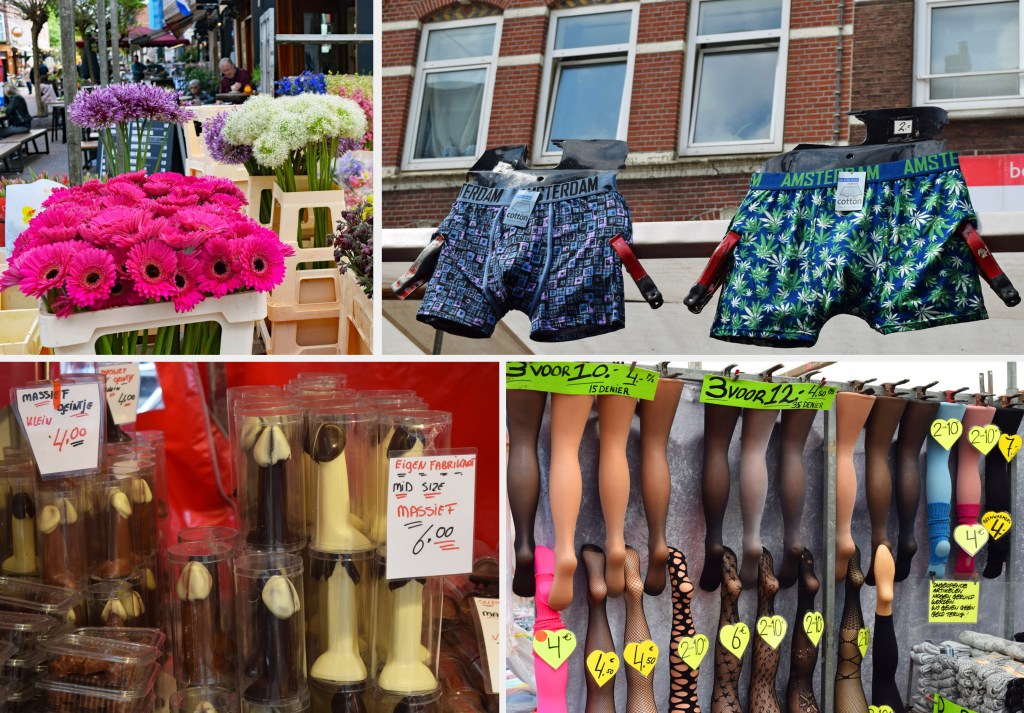
The Albert Cuyp Market not only caters to residents with its variety of fresh ingredients but to tourists on the hunt for bargains and souvenirs. Vendors sell everything from designer knockoffs, erotic chocolates, and kitschy souvenirs to elegant fabrics, handcrafted jewelry, and pottery. And they also sell luggage in case you need it to haul all your treasures back home!
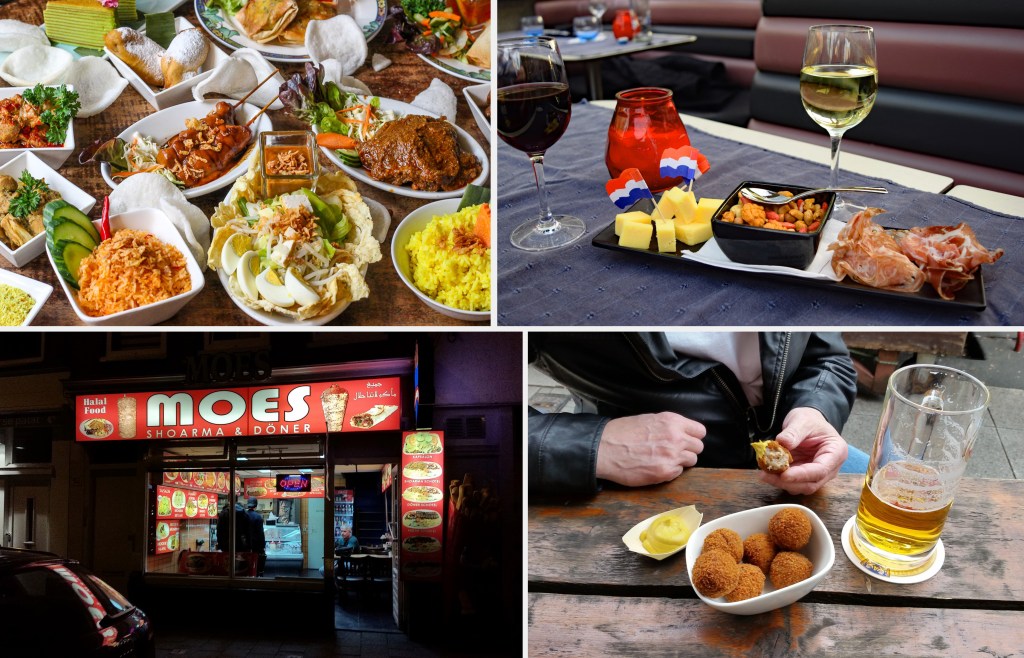
Throughout Amsterdam you can find a huge variety of dining choices and De Pijp’s offerings include Syrian, Moroccan, Indonesian, Indian, Spanish, Italian, Greek, and Japanese. The immensely popular Indonesian Rijsttafel (Rice Table) dates back to Dutch colonial times and it truly is a feast for the senses. It comes with a variety of small dishes that range from mild to very spicy and include such delicacies as chicken satay, spicy beef, fried sweet potatoes, marinated veggies, and several types of rice. Dutch cheeses, charcuterie, and warm nuts make a great snack and pair well with beer or wine. For terrific Middle Eastern food, I highly recommend Moes. Their chicken shawarma sandwiches with garlic sauce are heavenly! Another great snack is the Dutch concoction called Bitterballen. These crunchy snacks are filled with a meaty gravy or roux and are traditionally served with mustard for dipping and a biertje (beer) on the side.
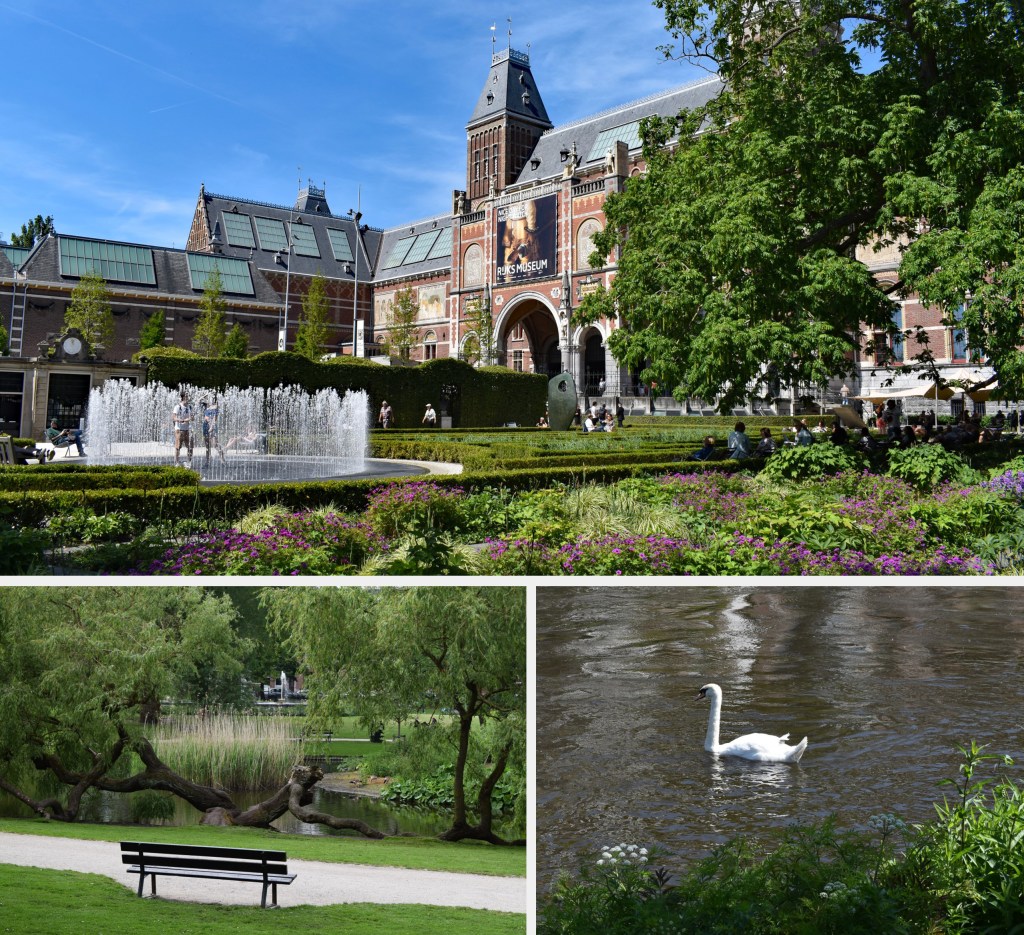
A great way to escape the hustle and bustle of Amsterdam is to visit one of the city’s many green spaces. The gardens of Rijksmuseum are across the canal from De Pijp and feature shade trees, flower gardens, and an eclectic mix of art from Classical to Modern. Carved marble busts of Roman Emperors are hidden in a tall row of hedges near the back entrance. A bronze statue of Discobolus by Dutch Neoclassical sculptor Mathieu Kessels stands in the sculpture garden. It was cast in 1900 from the original marble statue dated 1828. Nine sculptures by the 20th century British modernist artist Barbara Hepworth adorn the gardens including Squares with Two Circles, Conversation with Magic Stones, and River Form. A playful water maze titled Hide and See(k) by Danish artist Jeppe Hein was installed in 2013 and features a 7.5-foot (2.3 meters) water wall that randomly rises and falls. Another lovely spot to relax is Sarphatipark. Located in the middle of De Pijp, it was named after the Jewish doctor and philanthropist Samuel Sarphati and holds a pond, fountains, and a 19th century monument to Sarphati. One of my favorite places for a stroll is along the Boerenwetering Canal that runs between De Pijp and the Museum Quarter. Shade trees and benches line the canal which has floating gardens ideal for ducks and swans.
I’ll be traveling to London in my next blog. Stay tuned!


 Travels with Terri
Leave a reply to Constance Castle Cancel reply